
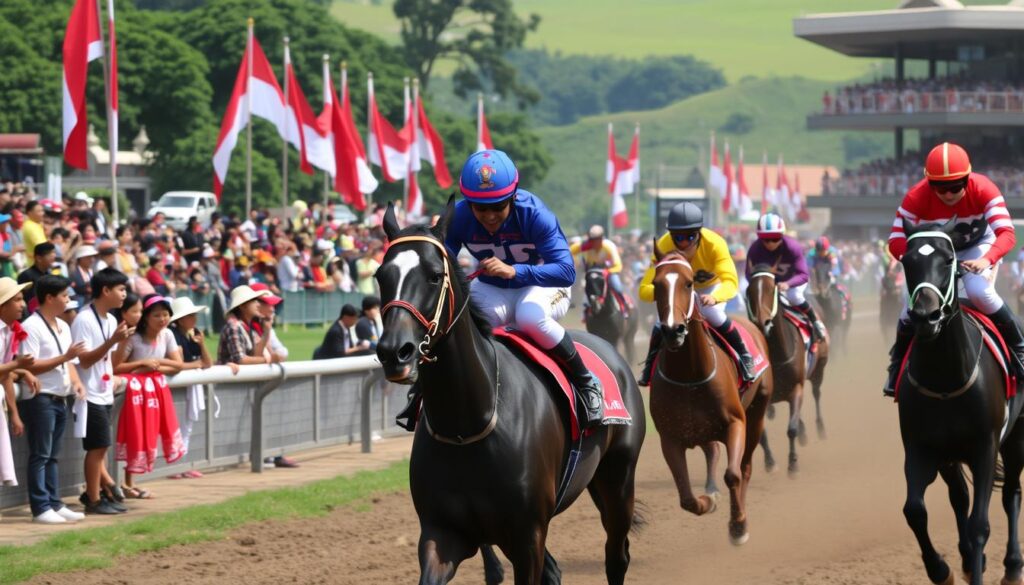
Prediksi balap kuda relies on analyzing various key factors such as the horse’s past performance, track conditions, weather, and jockey strategies. By understanding and combining these elements, one can make more accurate predictions about which horse has the best chance to win. This process helps bettors make informed decisions and reduce the risks involved in gambling.
Successful prediction requires careful examination of data trends and an awareness of how external conditions impact race outcomes. Considering the history and current form of each horse allows for a clearer picture of likely results. With better insights, enthusiasts can develop strategies that improve their chances of success in horse racing betting.
Understanding Horse Racing Predictions
Horse racing predictions rely on careful analysis of multiple elements, including horse performance, race conditions, and event types. Knowing these components helps in making informed, calculated decisions that improve the chances of success.
What Are Horse Racing Predictions
Horse racing predictions refer to the forecasts made about which horse is most likely to win or place well in a race. These predictions are based on evaluating various data points and patterns from past races. They serve as a guide for bettors and enthusiasts to make strategic choices.
Predictions incorporate statistical data, such as previous race results, speed ratings, and jockey performance. Analysts use this information to assess the likelihood of outcomes rather than guesswork. Predictive techniques might also involve understanding betting odds, which reflect the collective market expectations.
Key Factors Affecting Predictions
Several critical factors influence the accuracy of horse racing predictions. The physical condition of the horse stands out; stamina, health, and recent injuries must be evaluated carefully.
Other important factors include:
- Track conditions: Wet, dry, or uneven surfaces can impact horse performance.
- Weather: Rain or heat affects the track and the horse’s ability to run.
- Jockey and trainer history: Experience and strategy play a significant role.
- Previous performance: Historical data on similar race types shows consistent trends.
Each variable interacts with others, requiring a well-rounded analysis.
Types of Horse Racing Events
Horse racing includes various race types, each with distinct characteristics affecting predictions. These mainly fall into three categories:
| Type | Description | Impact on Predictions |
|---|---|---|
| Flat Racing | Races on level tracks without obstacles. | Speed and stamina are crucial. |
| Jump Racing | Includes hurdles or steeplechase jumps. | Endurance and jumping ability matter. |
| Harness Racing | Horses pull a sulky and race at a specific gait. | Gait consistency and driver skill. |
Understanding the structure of each event helps tailor predictions to the unique demands and performance indicators within those race conditions.
Data Sources for Prediksi Balap Kuda
Accurate predictions depend on analyzing multiple data points that influence race outcomes. Key factors include historical performance data, the skill levels of trainers and jockeys, and environmental conditions such as weather and track quality.
Official Race Results and Statistics
Official race results provide verified data on each horse’s finishing positions, times, and margins of victory. These records are essential for comparing past performances across different races and conditions.
Statistics often detail split times, the pace of the race, and consistency in finishing. Bettors and analysts rely on this data to identify horses that perform well under specific scenarios or distances.
Access to comprehensive statistics allows for spotting trends, such as a horse’s improvement over recent races or sustained performance at certain tracks. This foundation helps remove guesswork from predictions.
Trainer and Jockey Performance Records
The expertise of trainers and jockeys significantly influences a horse’s chances. Trainer records reveal success rates, especially in preparing horses for particular race types or distances.
Jockey performance data highlights skills like race strategy, adaptability, and experience on specific tracks. Consistent winning jockeys often lift the potential of even moderately performing horses.
The relationship between trainer and jockey is critical and sometimes tracked as a combined statistic. Strong partnerships can lead to better race execution. Knowledge of their recent form aids in understanding how well a horse might perform on race day.
Weather and Track Conditions
Weather affects track conditions and can dramatically change race dynamics. Rain, heat, or humidity influences the firmness or softness of the track surface, impacting horse speed and traction.
Track condition is categorized (e.g., fast, good, sloppy) and is a crucial factor in predicting outcomes. Some horses have proven preferences for wet or dry tracks.
Analyzing weather forecasts alongside track reports helps anticipate how these factors will alter horse performance. Consideration of surface conditions ensures predictions reflect real-time race-day environments, not just historical data.
Popular Prediction Methods
Predicting horse race outcomes involves a range of strategies that rely on different types of data and expertise. Some methods focus on numerical data analysis, while others incorporate expert judgment or technology advancements. The choice of method often depends on the resources and knowledge available to the predictor.
Statistical Models
Statistical models use historical race data, such as past performances, finishing times, and jockey statistics to generate predictions. These models identify patterns and correlations that might not be obvious through casual observation. Common techniques include regression analysis and probability models that estimate the likelihood of each horse winning based on quantifiable factors.
Key variables often considered are track conditions, horse age, race distance, and previous form. These models require a strong foundation in data collection and processing. The accuracy of predictions improves with larger, more detailed datasets and the continuous updating of model parameters.
Expert Analysis
Expert analysis relies on the experience and intuition of seasoned bettors, trainers, or racing commentators. Experts examine qualitative and quantitative factors, including a horse’s physical condition, training regimen, jockey skills, and the subtle nuances of race day circumstances like weather and track conditions.
Such insights can reveal advantages or risks overlooked by raw data. Experts may watch heats, study body language, or incorporate insider information. Their predictions often combine statistical knowledge with an understanding of horse psychology and race dynamics, making this method invaluable where numbers alone are insufficient.
Machine Learning Approaches
Machine learning applies algorithms that learn and improve from historical race data without explicit programming for every possible scenario. These systems analyze vast quantities of data points—such as split times, jockey history, and environmental conditions—to find complex patterns.
Popular models include decision trees, neural networks, and ensemble methods. Unlike traditional statistical models, machine learning adapts as new data arrives, potentially increasing prediction accuracy over time. However, effective model training demands significant computational power and technical expertise to avoid overfitting and biases.
Crowdsourced Predictions
Crowdsourced predictions aggregate forecasts made by many individuals, leveraging the “wisdom of the crowd.” Platforms may collect and average bets, tips, or rankings from a broad user base, assuming that collective judgment improves accuracy.
This method values diversity of knowledge and perspectives, which can balance out individual errors. Crowdsourced data is often used as a complementary tool alongside technical models or expert analysis. It works best when contributors have some familiarity with horse racing, as uninformed guesses can reduce reliability.
Key Indicators for Accurate Predictions
Accurate horse race predictions rely on measurable factors that provide insight into potential outcomes. Important indicators include individual horse performance data, the skills and experience level of the jockey, and how both have fared on specific racing tracks. Considering these factors improves the likelihood of making informed decisions.
Horse Performance Metrics
Performance metrics focus on the horse’s recent race times, speed ratings, and stamina over different distances. Studies of finishing positions, recovery after races, and consistency under similar track conditions reveal patterns useful for assessment.
Physical condition at race time plays a role, including weight changes and any reported injuries. A horse’s adaptability to weather conditions and track surfaces, such as dirt or turf, also affects performance. Monitoring these metrics allows for a clear understanding of a horse’s form and potential on race day.
Jockey Experience
A jockey’s expertise directly influences race outcomes. Factors such as years of racing, win percentages, and familiarity with particular horses contribute to performance. Successful jockeys excel at timing their moves, managing pacing, and positioning during a race.
Understanding a jockey’s recent performance streaks or struggles helps predict their current form. Compatibility between jockey and horse is crucial; some riders have notably better records with specific horses. Analyzing this dynamic can highlight advantages or limitations in upcoming races.
Track History
A horse’s and jockey’s history on the specific racecourse provides key context. Each track differs in length, surface type, and curvature, impacting race strategies. Historical performance data on a track uncovers trends such as preferred running styles or endurance.
Reviewing past races at the venue highlights which horses and jockeys consistently perform well or poorly there. This information assists in adjusting expectations based on how the race environment suits the competitors. Track records and weather conditions during past events may further refine predictions.
Common Mistakes in Horse Racing Predictions
Accurate predictions require careful attention to specific details often missed by bettors. Key errors involve neglecting recent race performance and failing to account for track characteristics affecting horse outcomes.
Overlooking Recent Form
Ignoring a horse’s recent form is a frequent and costly mistake. Horses with strong recent performances typically have momentum, while poor recent results can indicate declining condition or issues. Bettors should analyze the latest races, noting consistency and finishing positions.
Recent form includes factors like recovery from injury, adjustments in training, and changes in jockeys. It also involves reviewing how a horse performed under similar race conditions—distance, competition level, and pace. Simply betting on reputation without assessing the current form risks losses.
Ignoring Track Bias
Track bias refers to favoring certain running styles or post positions due to surface conditions or layout. It can significantly influence race outcomes but is often overlooked.
For example, some tracks favor inside lanes or favor front-runners because of track surface wear or weather effects. Bettors must research how track biases have played out in recent races, including how weather impacted the course on race day. Awareness of these subtle yet impactful factors improves prediction reliability.
Tools and Software for Analyzing Racing Data
Effective analysis of horse racing data relies on platforms that provide detailed insights into past performances, track conditions, and jockey statistics. Software solutions vary in complexity, from accessible mobile apps to customizable analytics tailored to specific needs.
Prediction Platforms
Prediction platforms use machine learning to process vast amounts of racing data, such as horse form, trainer performance, and track variables. Users gain access to real-time predictions derived from algorithms that consider a wide range of factors simultaneously.
Some platforms offer AI-driven ratings and value odds, enabling bettors to identify value bets and optimize wagering strategies. These tools often integrate live international odds and update rapidly with new race entries and chart data. They can serve both casual and professional bettors by transforming complex data into actionable insights.
Mobile Apps
Mobile apps bring racing analytics directly to users’ hands, offering convenience and timely updates. Many apps automate data analysis, replacing traditional manual methods like reviewing PDFs or spreadsheets.
Features typically include track condition reports, jockey and trainer statistics, and horse genetic history. These apps may also suggest ticket recommendations based on real-time data, making handicapping simpler and faster. With notifications and easy-to-navigate interfaces, apps are effective for bettors who require on-the-go access to predictive insights.
Custom Analytics Solutions
Custom analytics solutions cater to advanced users who need detailed data manipulation beyond off-the-shelf products. These solutions allow integration of proprietary data sets and customization of prediction models to fit unique strategies.
They often combine speed ratings, form charts, market picks, and versus ratings into a single system. Users can run scenario analyses and backtest models with historical data. This level of customization is valuable for serious handicappers and professionals seeking an edge through precise, data-driven decision-making.
Trends and Innovations in Horse Race Forecasting
Forecasting horse races increasingly relies on precise data gathering and advanced computational methods. This combination helps analysts improve prediction accuracy by considering multiple dynamic factors in real time. Technology is reshaping how race conditions and horse capabilities are evaluated, making forecasts more reliable and actionable.
Real-Time Data Integration
Real-time data integration collects and processes live information such as horse speed, heart rate, track conditions, and jockey performance during a race. This continuous flow of data allows analysts to adjust predictions as the race unfolds, factoring in unexpected events or changes.
Sensors mounted on horses and smart track surfaces provide immediate feedback on physical and environmental variables. This enables bettors and trainers to identify strength, fatigue, or track variability instantly. Real-time data bridges the gap between static past performance charts and the unpredictable nature of live racing.
The availability of live telemetry and environmental monitoring ensures forecasts are based on current and precise metrics, not just historical records.
AI and Big Data Applications
AI uses machine learning algorithms to analyze vast datasets including past race results, horse pedigree, training schedules, and weather patterns. These algorithms detect subtle patterns and correlations that traditional analysis might miss.
By feeding historical and real-time data into AI models, forecasts can factor in thousands of variables simultaneously. This results in more nuanced predictions tailored to each race scenario. Some platforms even simulate races multiple times to estimate outcome probabilities.
Big data enhances forecasting by aggregating information across different sources, improving a horse’s performance profile. Key benefits include improved accuracy and the ability to quickly adapt to new information, essential in a sport with many changing dynamics.
Ethical Considerations and Responsible Usage
When engaging in horse race predictions and betting, bettors must prioritize ethical behavior and responsibility. Betting should be viewed as entertainment, not a guaranteed source of income. This mindset helps prevent problematic gambling habits.
Understanding the risks of addiction is essential. Bettors should set clear limits on time and money spent. Using tools such as self-exclusion programs or spending caps supports healthier betting practices.
Respecting the integrity of the sport is also important. Engaging in or supporting illegal betting or match-fixing undermines fair competition. Bettors should rely solely on verified data and legal platforms.
A clear approach to responsibility includes:
- Setting a strict budget
- Avoiding chasing losses
- Seeking help if gambling becomes problematic
- Using only licensed and regulated betting services
By focusing on these ethical principles, bettors contribute to a safer and more sustainable betting environment. Responsible usage protects both the individual and the wider community involved in horse racing.
Conclusion
Accurate horse race predictions rely on careful analysis of multiple factors. These include the horse’s past performance, physical condition, track conditions, and jockey experience. Understanding these variables helps formulate informed betting decisions.
There is no single formula for guaranteed success, but a combination of statistical analysis and observation improves the chance of making correct predictions. Consistently reviewing data such as race times, weather, and track surface condition is essential.
Betters should focus on these key areas:
- Horse fitness and health
- Jockey skill and history
- Track and weather conditions
- Recent performance trends
Using a strategic approach to prediction allows enthusiasts to minimize risk and optimize their selections. This process demands ongoing study and adaptation to changing conditions in the racing environment.
In essence, the ability to predict outcomes in horse racing grows stronger with experience and knowledge. Those who commit to thorough analysis and disciplined betting can improve their competitiveness in this challenging field.